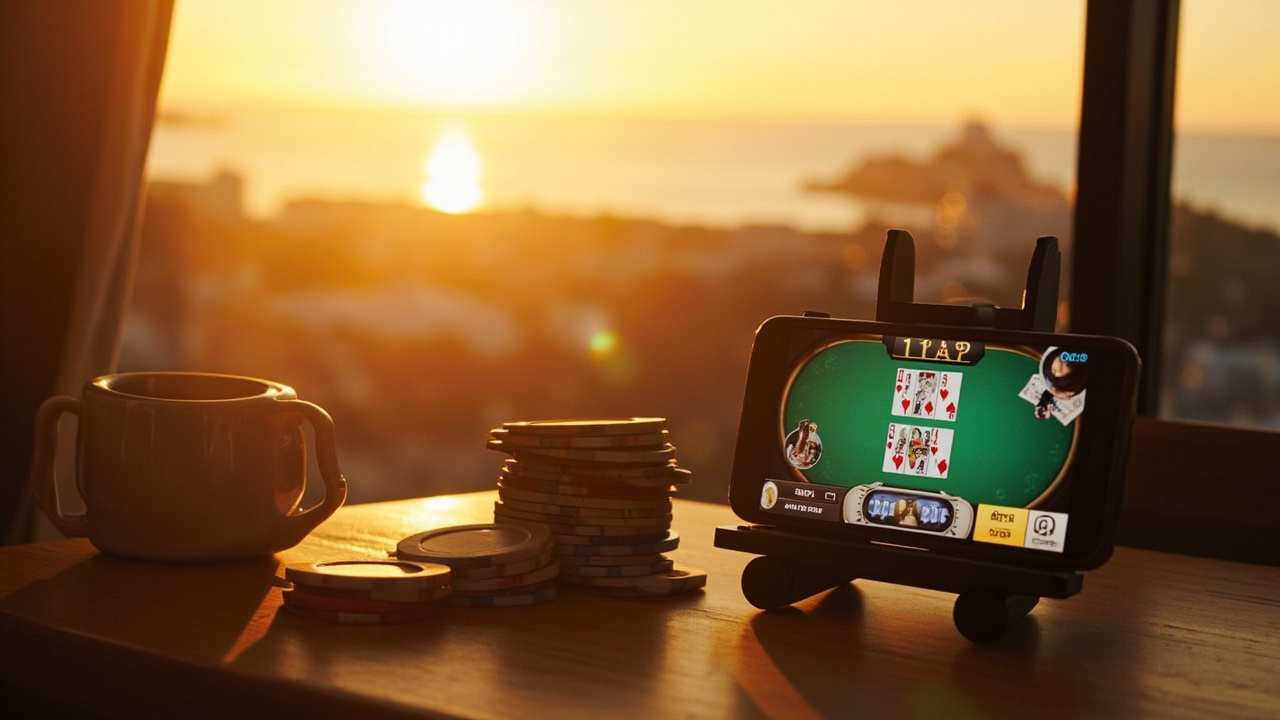









Finding online poker real money australia that respects the local rhythm of play is harder than it sounds, especially when you are judging a lobby by more than the headline cash-game traffic. After a decade building interfaces and live operations across iGaming and Unreal Engine 5 cinematics, I look for the same things in a poker client that I look for in a polished cutscene: readable hierarchy, predictable feedback, and a navigation structure that does not fight the player. The best rooms do not shout about their software; they let the table flow do the talking.
When I am assessing a lobby for everyday usability, I start with the visual identity and the way the screen partitions information. A cash-game lobby should separate tournament queues, sit-and-gos and scheduled events without forcing the eye to scan the same row twice. Navigation needs to stay shallow: two taps from the home screen to a chosen table, with search that actually filters by stake, blind structure and format rather than dumping a wall of mixed games. The language and currency layer matters just as much. A room built for an Australian audience should default to AUD on the cashier, show blinds in a format that matches local cash-game habits, and keep the copy direct rather than leaning on imported marketing language. If the interface feels like it was translated at speed and never checked, that is a warning sign about how the rest of the product is maintained. skycrown-bonuscode.com
A solid local anchor shows up in the small operational details, not just the marketing. A room that handles regional New South Wales players properly will keep registration clean, confirm the currency path early, and make the verification steps obvious without burying them under generic terms. I have seen clients where the cashier looked fine until you tried to move between AUD and a foreign denomination, at which point the whole flow stuttered. The rooms worth your time make the payment path readable: card entries, e-wallet options and bank transfers presented in a consistent order, with limits and processing notes stated plainly instead of hidden behind vague wording. Mobile should feel like the same product, not a scaled-down afterthought, with the same lobby structure and the same table controls intact on a smaller screen.
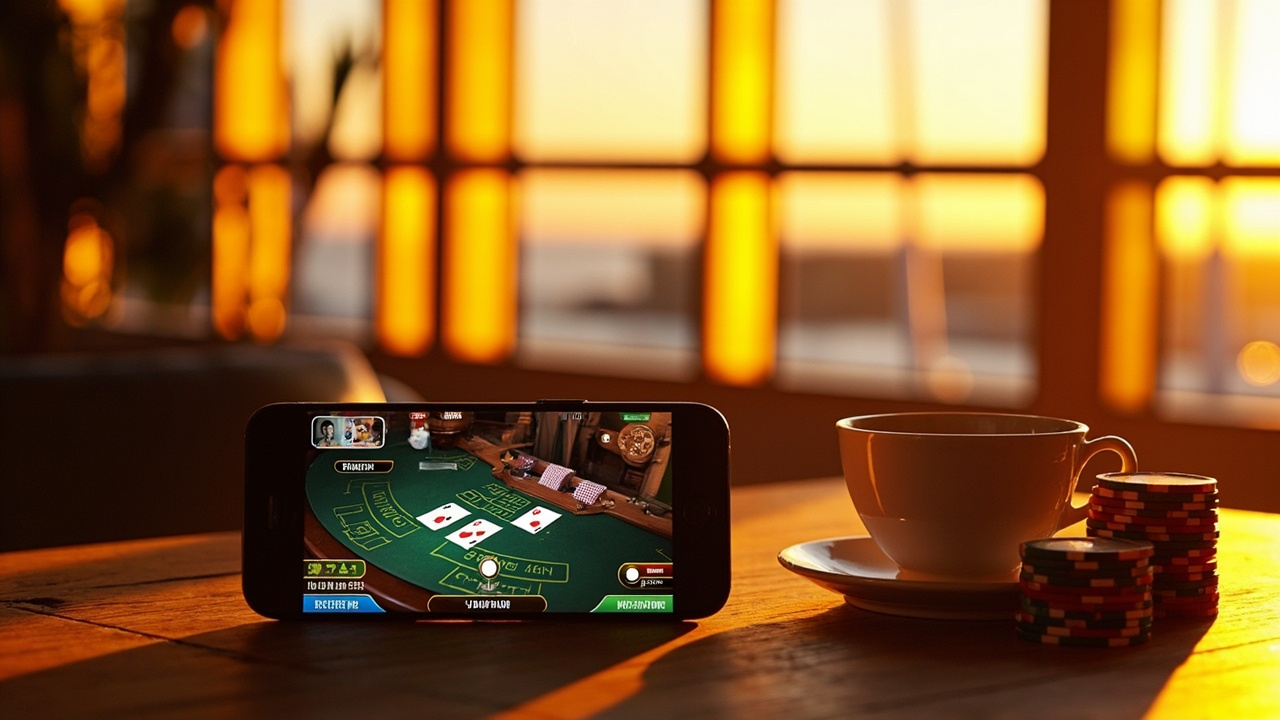
• Lobby hierarchy that separates cash games, tournaments and scheduled events without duplicate rows
• Search that filters by stake, format and blind structure instead of returning a mixed list
• AUD default on the cashier and clear blind notation that matches local cash-game habits
• Registration and verification steps that are visible upfront rather than buried in fine print
• Mobile lobby and table controls that mirror the desktop product instead of re-skinning it
The same usability lens applies to the live-ops layer, which is where a poker room either earns repeat sessions or loses them. I judge this by how the room handles scheduled events, loyalty tracking and support without turning the lobby into a billboard. A well-run room keeps promotions tied to actual play patterns and states the mechanics in plain terms: how a bonus applies, what the wagering looks like, and where the relevant terms sit. I asked Samuel Henderson, Managing Partner, Southern Reef Gaming, about the local calibration challenge, and he put it bluntly: “The rooms that hold attention here are the ones that stop treating Australian players like a translated market and start adjusting blind structures, event timing and cashier language to how we actually play.” That judgement lines up with what I see in the field: the difference between a room that feels built for the audience and one that feels bolted together usually shows up in the everyday friction, not the headline game count.
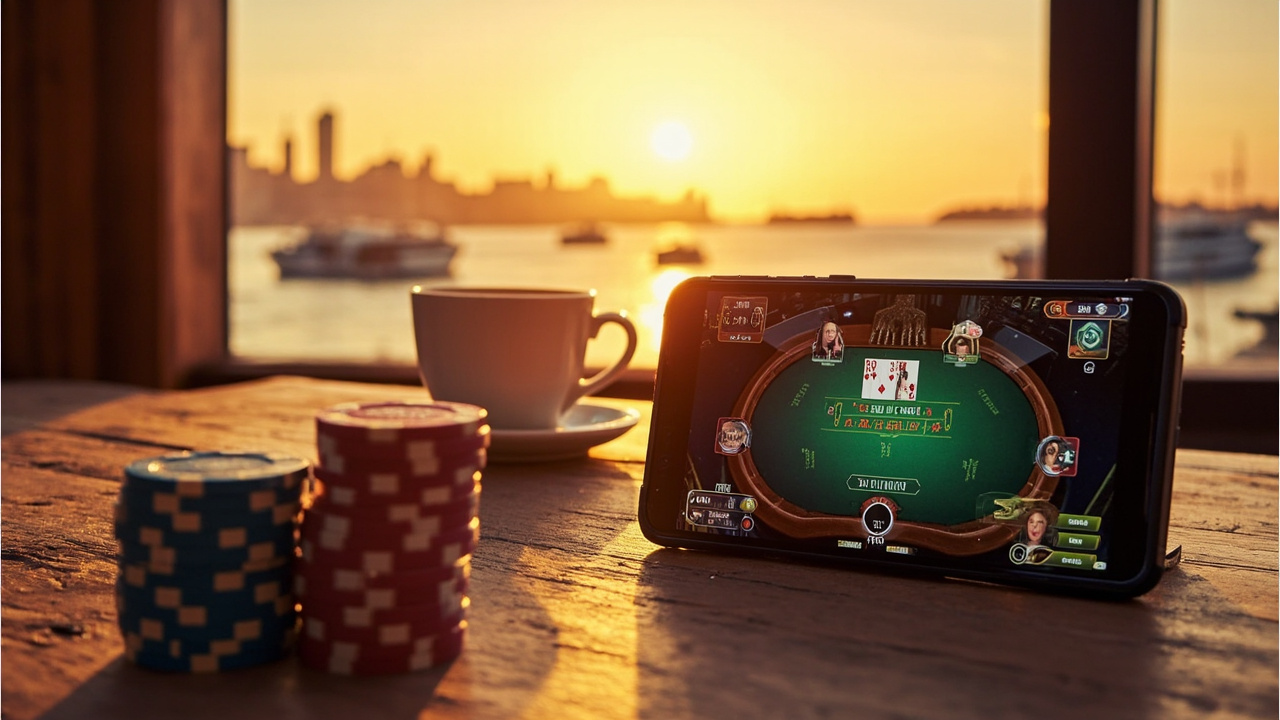
When I am weighing whether a room fits a regular player, I am not looking for a theoretical maximum; I am looking for a product that stays coherent across the parts you touch every session. That means a lobby you can read at a glance, a cashier that does not surprise you mid-deposit, and support that answers a straightforward question without sending you in circles. If you are comparing rooms, a practical starting point is to check the terms and any current offer details through a source like skycrown-bonuscode.com before you commit, because the fine print on a bonus often tells you more about the room’s standards than the lobby artwork does. The right fit is the one that keeps the friction low enough that you can focus on the table rather than the software around it.