









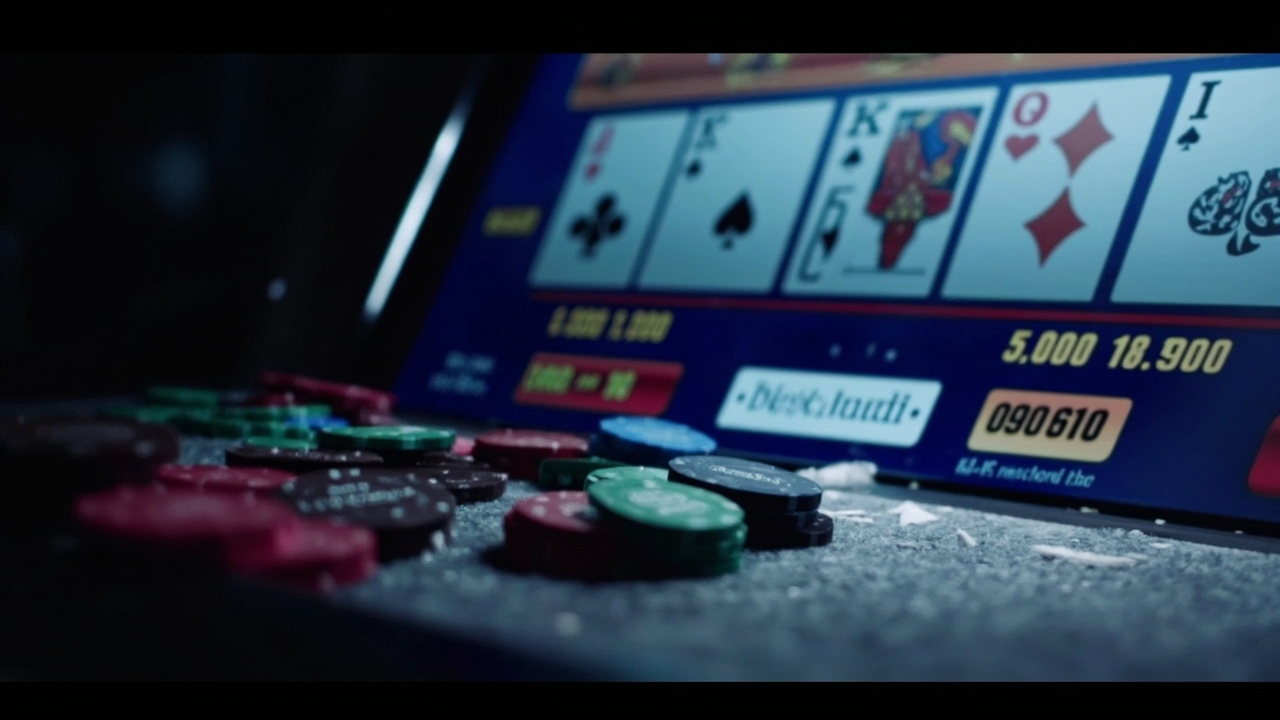
When the lights dim in a Newcastle gaming lounge and the arvo crowd settles in, players often split down the middle. Some chase the social table, others prefer a solitary screen with a clear paytable. The conversation around video poker vs poker usually starts with that split, because the two experiences reward completely different habits. One leans on table etiquette, reading opponents, and managing a live bankroll across a session. The other strips the table away, leaving a fast, solitary decision loop built around hand rankings and fixed payouts. I’ve spent years moving between Japanese, English, Mandarin and French markets, and the same pattern shows up everywhere: players who treat the machine like a puzzle tend to stick with video poker, while those who want the tension of a live read gravitate toward poker. Neither path is inherently better, but the wrong fit burns through a deposit faster than expected.
The review focus here sits squarely on how each format handles mobile usability, because that is where most Australians now spend their session time. A mobile-first layout should feel responsive without forcing you to pinch and zoom through a cluttered menu. Navigation needs to stay shallow, with the paytable, bet controls, and cash-out path visible within a couple of taps on a phone screen. Performance matters just as much as layout; a stuttering deal or a laggy spin breaks the rhythm of a fast hand, and that matters more on a commute than it does in a dedicated lounge. When I’m advising VIPs across Mandarin and French accounts, I always ask them to test the same game on a browser and a native app before they commit a session budget. The answer usually tells me whether the platform respects mobile-first fit or just resizes a desktop shell and calls it done.
You can see the difference clearly when you compare how each format treats the player’s time. Video poker runs on a fixed paytable and a repeating decision loop, so the mobile experience should keep the bet selector, the hold buttons, and the payout table close at hand. Poker, by contrast, asks you to manage positions, timing, and table chat, which means the interface needs room for player lists, action buttons, and a clear pot display without crowding the screen. A good mobile setup for either format keeps the core action above the fold and pushes secondary details into a collapsible panel. If you are testing a new site on your phone, start with a small bet and watch how quickly the hand resolves, how smoothly the transition lands, and whether the navigation pulls you back to the lobby without friction. You can compare that flow against a plinko ball casino if you want a different kind of quick-session mechanic, but the lesson is the same: mobile usability is about how little the screen asks you to think between actions.
The registration and payment side is where the two formats start to diverge in ways that affect your session planning. Video poker usually sits inside a broader casino account, so the deposit path, currency display, and bonus terms follow the standard casino structure. Poker rooms often run their own wallet logic, with separate buy-in limits, tournament entries, and cash-game stakes that do not always line up with the casino lobby. I always tell players to check whether their deposit currency matches the game display, because a currency mismatch can turn a simple session into a maths problem. A corner or square bet covers four numbers and pays 8 to 1, which is the kind of fixed payout detail that matters more in a machine format than at a live table, where odds shift with the action. If you are moving between markets, keep the payment path consistent and note the withdrawal window before you treat any bonus as part of your session plan.
Support and loyalty are where retention really shows its hand, and this is where my Japanese and French accounts tend to teach me the most. A solid support setup should answer a mobile login issue or a bonus query without making you wait through a long queue, especially when you are trying to finish a session on a phone. Loyalty programmes should reward consistent play rather than just chasing big deposits, because the players who stay longest are usually the ones who understand the rhythm of the format they chose. Mia Campbell, Affiliate Partnerships Director, Southern Star Esports, puts it plainly: “Players who understand the format they signed up for tend to stick around longer than those who chase a bonus and then bounce when the mechanics feel unfamiliar.” That is a useful reminder that a loyalty tier should match the game, not the other way around.
Responsible play has to sit in the same conversation, because the two formats encourage different habits and different risks. Video poker can feel fast and repetitive, which makes it easy to lose track of time on a phone, while poker can stretch a session across hours of table action and decision-making. Chloe Wilson, Responsible Gambling Adviser, Blue Gum Gaming Council, notes: “The format you choose should match the time and budget you actually have, not the one you hope to have by the end of the night.” That is a practical check, not a slogan. Set a session limit, decide whether you are playing for the puzzle of the machine or the social pressure of the table, and keep the mobile experience in the same frame as your bankroll plan. No offshore site is licensed or regulated in Australia, so the responsibility for pace, limits, and account settings stays with the player.
If you want a clear process for picking the right format on a phone, work through it in order rather than guessing at the lobby.
- Open the game on a browser first, then test the same title in the app, and note whether the paytable, bet controls, and cash-out path stay easy to reach on a small screen.
- Run one short session at a low bet, watch the hand speed and the transition back to the lobby, and decide whether the interface feels built for mobile or simply shrunk from a desktop layout.
- Check the deposit currency, the bonus terms, and the withdrawal window before you add any bonus to the session, because a mismatch here changes the maths more than the game does. plinko ball casino
- Decide whether you want the solitary puzzle of video poker or the live-table rhythm of poker, then match your loyalty and support expectations to that choice instead of the other way around.
The choice between video poker and poker comes down to what you want your session to feel like on a phone, not which format sounds louder in a marketing pitch. Video poker rewards a steady, solitary loop with a fixed paytable and a clear decision path, while poker asks for table awareness, timing, and a live read of the action. On mobile, the better fit is the one that keeps the core controls close, the navigation shallow, and the session rhythm intact without forcing you to fight the screen. Set your limits, test the layout on a browser and an app, and let the format match your habits instead of the other way around.